-
Australian Open Bottom Half 4th round Preview
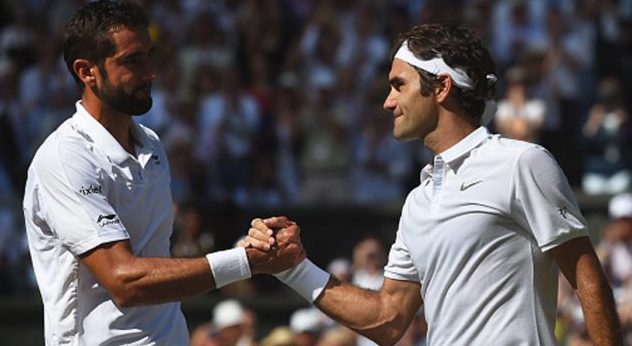

Photo courtesy of http://www.beritagol88.com Australian Open fourth round, Bottom half, preview,
Roger Federer (3) Vs Stefanos Tsitsipas (14)
Tennis fans and pundits are slow to annoint Stefanos Tsitsipas as Baby Fed after the name seemingly cursed Grigor Dimitrov and Richard Gasquet.
Federer has rarely been given any sleepless nights by his tennis heirs, but Tsitsipas is catching Federer at a better time than his elder brothers did.
Federer is a little more prone to having random bad days now and such days were really piling up after Indian Wells last season.
The Swiss has been having some fine days this Australian Open, though, making the last sixteen without dropping a set.
It’s still not quite safe to anoint him the favorite yet- Denis Istomin, Dan Evans and Taylor Fritz are all good match ups for the 6 time champ and we won’t really know if he is in slam winning form until he comes up against someone who can out-power him or test him at the back of the court.
Tsitsipas is a good match up for Federer, too, and if Federer is in tune, this match should be straightforward.
The two will trade sharp service game filled with shot-making and flair, so even if routine, this match won’t be short on entertainment.
This match does have some potential, however, to be anything but a cruise for Federer into the last eight.
Tsitsipas will make the 3rd seed work for his win, good match up or not, and will give 110% until the very end.
The Greek also has the potential to ask deeper questions about Federer’s overall form than the Swiss’ previous opponents with Tsitsipas capable of exploiting Federer’s at times vulnerable backcourt game, the Greek’s own baseline skills as explosive as Federer’s in his early days.
The 14th seed is primed for a fight, too- he defeated the in form 19th seed Nicolas Basilashvili in four brutal sets in round 3.
He’s also had a taste of what it’s like to play his idol when they met in the Hopman cup so he won’t be too unnerved by their first professional meeting.
This match is the first night match on Rod Laver Arena on Sunday night. Prime time slot for the prime cut of the bottom half last sixteen contests.
Cilic (6) Vs Bautista Agut (22)
Bautista is in as good form as anyone in the draw having won the title in Doha and making his way to the Australian Open fourth round for the fourth time in his career.
The 22nd seed has been involved in some almighty contests, too, having won the first two sets in both his first and second round matches, versus Andy Murray and John Millman, before dropping sets three and four and winning in five.
Round three saw Bautista get something of a rest after he beat Karen Khachanov in straights so he should still have plenty of running left in his legs.
Cilic will be ready for a fight himself after beating Fernando Verdasco in the third round, coming from two sets to love down and match point down in the fourth set tiebreaker.
Bautista Agut has made ten slam fourth rounds now and is looking to break through and make the last eight of a slam for the first time.
Although Bautista Agur trails 1-4 in the head to head, he has beaten Cilic at the Australian Open before, in the 3r in ’16, and if he can capitalize on Cilic’s lapses in a match and not let his own level drop, he could put in his personal best slam performance.
Cilic, one of the top players most prone to Grand Slam upsets, will be on his game in this one, only too aware of the dangers ahead. If he does make it through what is sure to be a tough match, it will bode well for the rest of his tournament for once Cilic clears a couple of tough hurdles in a slam, he becomes the man to to beat for the title.
Frances Tiafoe Vs Grigor Dimtrov (20)
Tiafoe is having his breakthrough slam; Dimitrov is putting his career back together again.
This match puts two talented shot-makers up against one another with a slam quarter-final to play for- Tiafoe’s first; Dimitrov’s first since he made the quarters last year in Melbourne, his best slam.
Their one match was in Canada last season which Dimitrov won on a third set tiebreaker, which bodes well for this last sixteen match up.
Dimitrov has Agassi in his corner, who knows a thing or too about young American shotmakers, and he’ll be offering some sound advice to Dimitrov how to take this match on, and the Bulgarian has shown us before how he is not afraid to go to plan B to get the win, and it’s that experience and dynamic style and approach which could make the difference here.
Tomas Berdych Vs Rafa Nadal (2)
With Berdych reinvigorated and Nadal going untested this slam, the outcome of this match really is hard to predict.
Berdych has beaten Nadal before in Melbourne, in the ’15 quarters, but that was a rare win, the Czech 4-19 in that head to head.
Sped up conditions in Melbourne play into Berdych’s hands, the Czech’s game naturally suited to faster courts and balls. Nadal, nevertheless, is still the more accomplished on hard courts, able to tinker his serve and game style to complement his already aggressive baseline game.
Toss a coin for this one and have a great time waiting to see which side it lands.

-
Australian Open Mens 3r Preview Daniil Medvedev Vs David Goffin
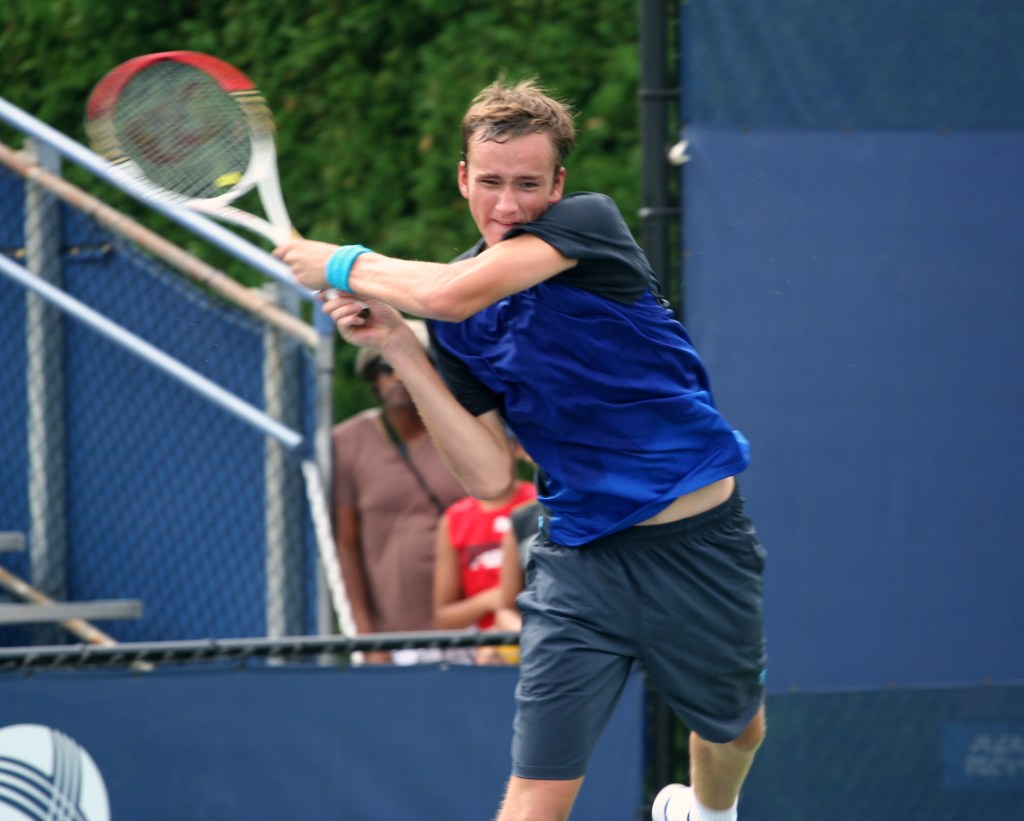
Photo courtesy of wikipedia commons Australian Open 3rd round, Daniil Medvedev (15) Vs David Goffin (21), Day 6, Melbourne arena, not before 12:30 pm.
In 2018, Daniil Medvedev (15) won the most matches on hard courts on the tour (won 37, lost 14), only his third season playing in ATP main draws, picking up titles in Sydney, Winston-Salom and Tokyo, the latter title won as a qualifier.
That run of form has flown over in the new year with Medvedev reaching the Brisbane final (lost to Nishikori) and reaching the third round in Melbourne.
His opponent David Goffin (21) is pretty skilled on hard courts, too. He’s been to the quarters in Melbourne (’17), made the semis in Cincy, Miami and Indian Wells, and 3 of his 4 career titles have come on hard (Moselle, Shenzen, Tokyo).
Like Medvedev has now, Goffin also had a buzz about him at various stages of his career, that buzz first generating when he reached the Roland Garros last 16 in ’12 as a qualifier and reaching its loudest point when he beat Nadal and Federer on his way to the ATP Finals ’17 (lost to Dimitrov).
Goffin has never really been able to take advantage of his momentum, being hit by unfortunate accidents (falling on the tarpaulin at the back of the court at Roland Garros ’17, hitting his eye with his racket at Rotterdam ’18) and injuries ( a right elbow injury forcing him to end his ’18 season after Shenzen).
Goffin is part of the cursed Nishikori-Dimitrov- Raonic generation who have not, for a host of reasons, broken through and replaced the generation above them in terms of grand slam wins and top rankings.
A decade ago, most people would have thought that the current top 3, Djokovic, Nadal, and Federer, aged 31, 32 and 37 respectively, would have been on their way out of the game, if not already retired, and Nishikori and co would have been at the top of the game.
That Nishikori generation is now in danger of being rammed off the side of the road by the one below of Medvedev, Zverev, Khachanov, Coric, Chung and Shapovalov, one of the deepest generations we’ve had in a while and all developing at steep, and perhaps alarming, for the likes of Goffin and Thiem, another member of an under-achieving generation, rates.
If Medvedev wins this Goffin match and makes the fourth round, that would be the 22 year old’s furthest stage in a slam reached and a further step in his generation’s progress above their elders and towards the top of the game.
Medvedev is a likely winner, too. In this match-up, Medvedev has the bigger serve, the flatter shots, and the more aggressive game which means his service games will be on his terms. He’ll have to serve incredibly well against Goffin, too- the Belgian was 2nd for return stats on the ATP tour in 2018.
That Goffin return gives him a good chance in this match, especially if he can put pressure on Medvedev, which his greater experience should allow him to do. Goffin also has just the game to exploit Medvedev’s height- the Belgian likes moving his opponent’s side to side and then either hitting the backhand down the line for a winner or moving forward to take the ball out the air.
Both these player’s hard court prowess and the fact their strengths negate each other’s weaknesses makes this match my pick of the day for this top half last 32 Australian Open meeting.
There’s a lot at stake- for Medvedev, his first round of 16 at a slam and keeping that momentum going; for Goffin getting his career back on track and some confidence.
There’s also something else to motivate these two, as if they needed it- a potential last 16 match versus Novak Djokovic where they could really test how far they have to go to move ahead of that generation and make the top of the game their own. In recent months, that shift, with Khachanov’s win over Djokovic in Paris and Zverev’s in London, has looked, for Medvedev’s generation, like it could get seismic, while for Goffin’s, it’s been dead in the water for some time. Just how close to an earthquake we are or whether there is life beneath the surface are two questions many of us would like answered, and finding out whether it will be Medvedev or Goffin asking the question will be very intriguing indeed.
-
Australian Open Preview 3r Rafael Nadal vs Alex de Minaur
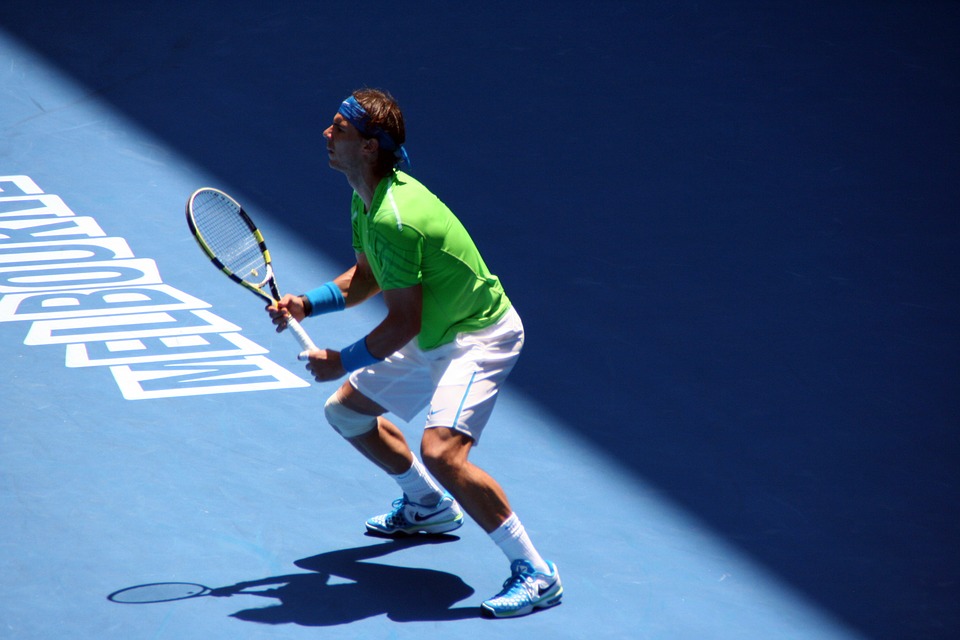
Photo courtesy of pixabay.com Australian Open 3rd round Preview- Rafa Nadal (2) Vs Alex de Minaur, Rod Laver Arena, from 7pm.
Rafa Nadal will have to defeat his third Australian hope in a row to progress to the fourth round, and the draw has saved the best of the Aussies for last in the shape of Alex de Minaur.
de Minuar, aged 19 and ranked 29, is the No.1 Australian and one of those rare species in the pro game right now – a highly ranked and title winning teen.
Nadal was one of the last of the teen phenoms to roam the upper echelons of pro tennis, his gallivanting resulting in his first Roland Garros at de Minaur’s age.
Such an achievement might not be written in de Minaur’s stars (he’d have to win this Australian Open to make it happen), but the young Australian is touted to match Nadal as a future slam winner and a probable No.1.
de Minaur’s coach, Llyeton Hewitt, knows all about those hall of fame feats, and he can also regale his charge with tales of what it was like to play a teenage Nadal in Melbourne on Rod Laver, Hewitt defeating Nadal in 2004 and again in 2005 in a classic five setter.
This Nadal-de Minaur clash has the potential to emulate that ’05 epic and deliver the first tightly contested night match to the Rod Laver crowd this tournament.
de Minaur has been competing as well as any player on the tour this early in the season, winning his first ever title in Sydney and beating Pedro Sousa in straights and qualifier Henri Laaksonen in five in his first couple of rounds this week.
Versus Laaksonen, de Minaur did not capitulate to the lethal combo of in-form qualifier and the letdown that could have befallen him after his emotional Sydney win.
de Minaur piled up a winners to unforced errors deficit of -30 (26-56) and will need to clean up his game, but with a day of recovery and a night match versus Rafa Nadal on Rod Laver on the horizon, and all the adrenaline that comes with that, a second wind is sure to blow de Minaur’s way.
Nadal will be ready for de Minaur and the crowd having shown some positive form and playing two home hopes previously. The Spaniard, playing his first tournament since the US Open, dropped two service games in his first round, but went unbroken in his second rounder, winning 81% of the 65% of first serves he made, and averaging 187 kmh service speeds. Nadal also approached the net 18 times in his second rounder, winning 12 of the points, and hit 33 winners to 15 unforced errors.
A serving performance in the high percentages as well as an aggressive game with a positive winner to error ratio are just what Nadal needs if he is going to win this year’s Australian Open.
Aged 31 and his body struggling on hard courts, serving big, flattening out and going for his shots, and finishing points quickly are what Nadal’s Australian Open campaigns are built on nowadays. He’s done well, too, reaching the final in ’17 and last year’s quarters before an upper right leg injury forced him to retire.
But, that hard court friendly game is one which can be negated by de Minaur who will test Nadal’s execution with his counter-punching and consistency, forcing Nadal to hit one more ball, out-nadaling Nadal, and aggravate those once seemingly invincible but now only too vulnerable legs.
Should de Minaur be playing counter-punching hard court tennis at a high enough level to potentially upset a hard court modified Nadal, the Spaniard will not be short of a plan B. If his knees are holding up, he’ll go toe to toe from the back of the court, playing relentless baseline tennis to out-muscle and out-grind the youngster if he has to even if such a style might scupper his later chances.
Nadal, after all, will do whatever he has to, health permitting, to win.
That do-or-die attitude is an aspect of his game de Minaur himself aspires to, and with Nadal the master, and de Minaur the student, whether this match is a power struggle or a harsh lesson, it’ll be studied and enjoyed by all students of the game.
-
Australian Open 2nd rd Preview Borna Coric (11) Vs Marton Fucsovics
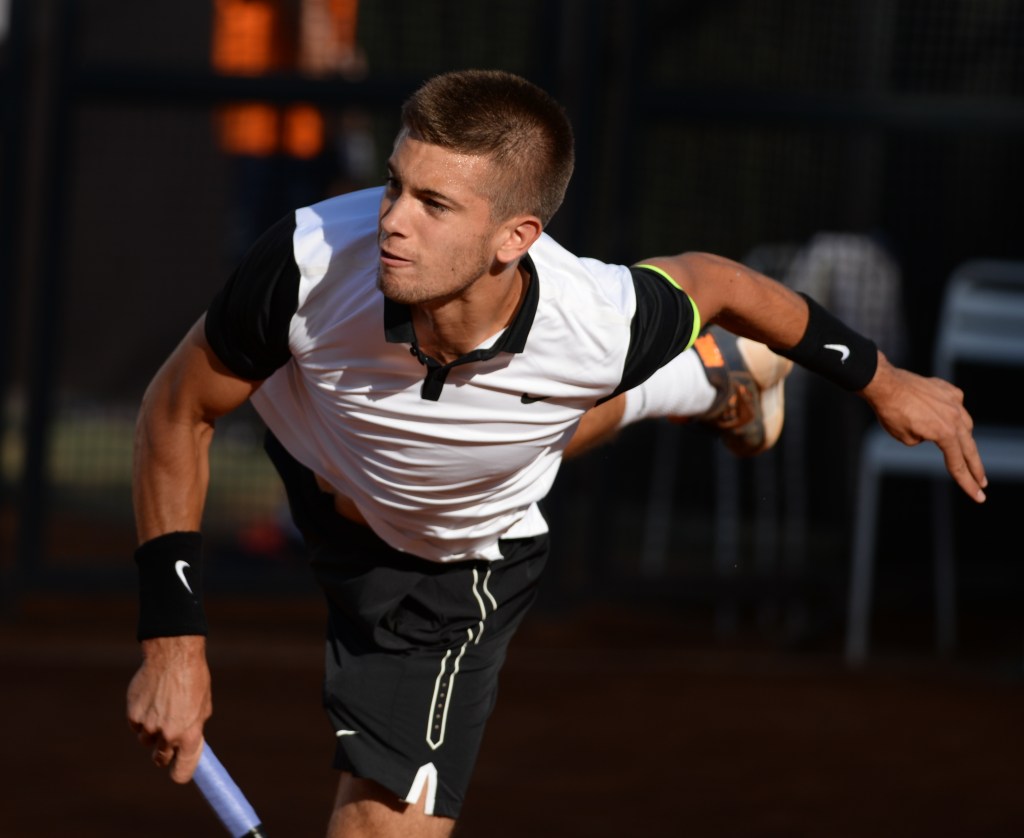
Photo courtesy of wikipedia commons. Borna Coric and Marton Fucsovics both play some of their best tennis on medium fast hard courts. What makes this Australian Open second round match so intriguing is that they do so from two very different approaches.
Coric is the modern baseliner with great movement and a keen sense of when to attack and when to stay back. Fucsovics, at the other end of the spectrum, is the classical aggressive power hitter.
If recent form is anything to go by, this match could be the highlight of round 2.
Coric took a big step forward last season, finishing just outside the top ten, turning his forehand into something of a weapon, and developing into a very mature player.
Fucsovics, meanwhile, keeps getting better and better, working hard on his fitness and execution of his style of play, rising from 85 in the world at the start of 2018 to his current ranking of 38 (his high is 35).
Fucsovics got his year off to a good start reaching the Doha last 16 where he took a set from Novak Djokovic and making the Sydney last 16.
Coric is playing his first tournament of the season at this Australian Open. He finished 2018 on a high, reaching the Shanghai final and winning the Davis Cup as part of the Croatian team. Davis Cup has often been a springboard to a positive start to the next season and Coric breaking his duck Down Under has started 2019 off with a real jump.
In the Australian Open first round, Coric defeated Steve Darcis in straight sets, the 11th seed’s first ever victory in Melbourne on his fifth attempt. Fucsovics, who reached the fourth round last year, losing to Roger Federer, had a tougher time against the tricky baseliner Alberto Ramos Vinolas who would have kept the ball bouncing a little higher than Fucsovics might have liked it, a tactic Coric will also likely employ.
Darcis and Ramos Vinolas were good preparation for both men for this match in fundamental ways- Coric facing an aggressive fast courter; Fucsovics a strong baseliner.
However, when it comes to the more nuanced aspects of each other’s individual games, this match is unchartered territory for both, it being the first meeting between the two.
With the two competitors two of the strongest and fittest players on tour, this match will be a physical contest of the toughest order. Fucsovics will be aiming to assert himself from the very beginning, Coric will be ready to hit as many balls as it takes and to keep Fucsovics at the back of the court reaching for balls shoulder height and on the stretch.
Over five sets, Coric should be a bit too versatile for Fucsovics. But, if the Hungarian gets off to a confident start, he’s got the ball striking ability to tear through this one.
Whoever wins is going to have to execute hard court tennis at a high level versus tough competition in a contest which, while a tough draw for the players, is a real treat for fans in the second round of a Grand Slam.
-
Australian Open 2nd rd Preview Kevin Anderson Vs Frances Tiafoe
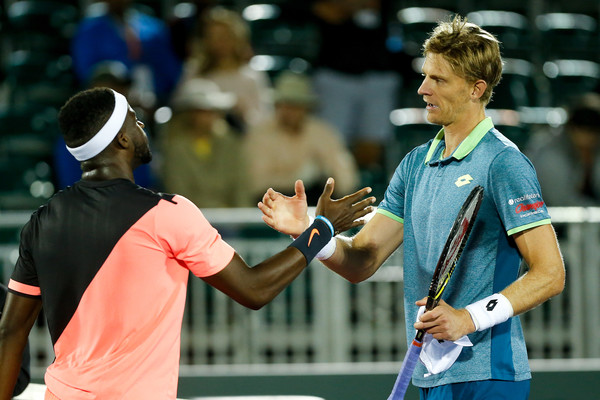
Photo courtesy of zimbio.com Kevin Anderson is a quiet favorite for this year’s Men’s singles Australian Open title. Few are explicitly championing him as the favorite, but even fewer would be shocked if he won the title.
Anderson crept upon the tennis big time a couple of seasons ago, going from one of the game’s biggest servers and solid top 20 players to one of its greatest competitors established in the top ten. Having come back from ankle and shoulder injuries in 2016, Anderson reached the US Open ’17 final as the 28th seed, broke into the top 10 in early ’18 and made the Wimbledon final, playing that match versus John Isner, that same season.
There’s little chance of Frances Tiafoe creeping up on the big stage. The 20 year old’s been on the radar since he was a teen, a former No.2 in the juniors, the youngest winner of the Orange Bowl (aged 15 and 11 months) and made a much hyped pro debut at the 2014 Citi Open.
Tiafoe’s powerful serve and forehand, shot-making, and athleticism are touted to help take him to the top of the game. Ranked 39, he’s on the right track and it won’t be too long before he’s seeded and the likes of Anderson won’t have to worry about him until at least another round.
Anderson knows only too well how dangerous Tiafoe is. They have met three times, all on hard court, two of those matches going three sets and the straight setter featuring a tiebreak.
Tiafoe has not made a name for himself as a danger to the seeds at slams just yet, however. Tiafoe’s record in slams is unremarkable- he’s 5-11 with his best result coming at last year’s Wimbledon, the third round. But, he does have two top ten wins at ATP events on his resume, both on hard courts, and both in tough three setters, (Vs Sascha Zverev Cincy’17; del Potro Delray Beach ’18 on his run to his one and only title), and that seed slaying breakthrough can only be so far away.
It could come as soon as this Australian Open 2nd round contest. As Tiafoe’s close matches versus Anderson suggest, these two are a good match up. Both have great first serves, can control points from the baseline and have an aggressive mindset. The difference could be the second serve, of which Anderson has the greater of the two.
If both men serve out of their minds, then inspiration will decide this one. Tiafoe likes the big crowds and can produce the kind of tennis to get them going. Anderson’s inspiration tends to express itself in huge winners hit out of nowhere sure to draw a few gasps.
Neither player will have to listen hard for their muse with the crowd knowledgeable about both player’s stage in their careers, a crowd who will do their vocal best to help them realize their potential- Anderson’s shot at making another slam final and ending his days as bridesmaid; Tiafoe on the verge of getting his career really rolling and announcing himself as a contender.
-
Australian Open Mens 1r Preview Milos Raonic (16) Vs Nick Kyrgios
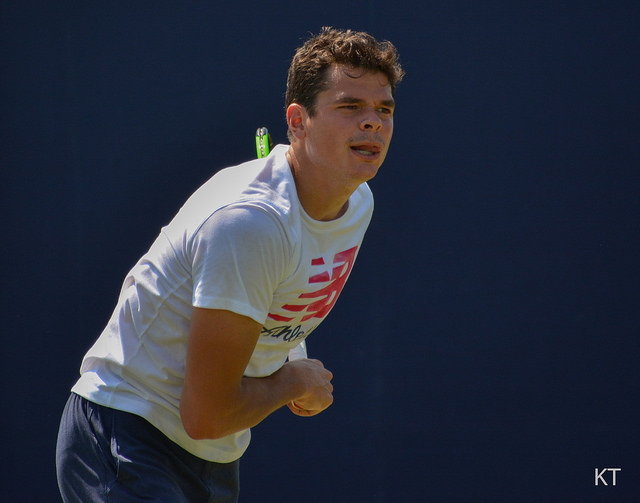
Milos Raonic was No.3 in the world when he made the semi-finals of the Australian Open in 2017, had recently reached his first slam final at Wimbledon ’16, and had made the ATP WTF semis.
While hard work and talent can get you a step ahead in pro tennis, there’s nothing like an injury to set you two steps back, as Raonic unfortunately experienced when on the verge of reaching his potential, wrist and right leg injuries derailed his career, bringing his momentum to a halt and his ranking dropping to 40 in late February 2018.
Raonic has fought back, though, reaching in the last 12 months the Miami semis, the Wimbledon quarters, and the US Open last 16, and is seeded 16 at this year’s Australian Open.
The draw Gods have not been kind to him, though, putting him against home hope Nick Kyrgios in the first round.
Nick Kygrios is currently ranked 51 (he was still a top 20 player last August). Kyrgios has not always helped himself when it comes to reaching his potential, but he’s also been cursed with injuries, an elbow one the most recent.
Had the tennis fates been kinder, these two, aged 28 (Raonic) and 23 (Krygios) might have both been seeded in the top 8 right now and drawn to meet in the quarters.
It would not have been too far fetched to predict a few years back that Raonic and Kyrgios might even meet each other in either the Australian Open, Wimbledon or US Open finals.
But injuries derail plenty of potential Grand slam winning careers and it’s determination and luck which get them back on track.
With Raonic, there’s no question he’ll work his hardest to give himself that chance to reach his potential; with Kyrgios, what happens is anyone’s guess.
For now, though, the issue both men have to face is one of the toughest matches in the Australian Open first round.
The two have met 6 times and their head to head is split 3-3. Kyrgios won their sole hard encounter in the Miami 2016 quarters.
Going into this match, Kyrgios lost in the second round of Brisbane in three sets to Jeremy Chardy while Raonic reached the Brisbane quarters where he lost a close three setter to Daniil Medvedev making him the more match fit of the two.
The match is likely to be decided by the serve and the second ball. If either throw in a weak service game, their opponent has a great chance to take the set. Raonic arguably has the more solid backcourt game to put a few doubts in Kyrgios’ mind on break point; Kyrgios has the shotmaking ability should Raonic slip up and throw in any sitters or short balls.
This match is a real toss up. Raonic’s better focus and drive suggests when this match is up in the air, it’ll come down on his side, but he’s playing Nick Kyrgios so anything is possible, which, for a Grand Slam first rounder, is all you can really ask for.
-
Australian Open 1st Rd Preview Andy Murray vs Roberto Bautista Agut

Photo courtesy of pinterest.com Andy Murray’s announcement that this Australian Open could be his final tournament and his first round match being against Robert Bautista Agut mean this contest will likely end up being the tournament’s most memorable first rounder if not match.
Murray coming up against Bautista Agut, seeded 22, means this Murray Melbourne match will, barring a miracle or Bautista Agut himself getting injured, be his last.
Murray leads Bautista Agut 3-0 in their head to head and has never dropped a set to him, but if ever head to heads meant little, it’s in this match with both men at very different stages of their career, Murray’s ending and Bautista Agut’s blossoming.
Bautista Agut is on a great run of form, beating Novak Djokivic in the Doha semis and Tomas Berdych in the final, arguably the greatest week of his career.
Like Murray, Bautista Agut is a counterpuncher at heart and very fast around the court, and his higher level of fitness and match play should mean the Spaniard will make Murray chase down one too many balls than he is physically capable of doing.
Murray’s hip may be pushing him out of the game, but he will give everything he has to stay in the tournament and make this potential final slam one to be proud of.
Win or lose, Murray will receive a heart-warming reception from the crowd on Melbourne Arena, where this match is scheduled not before 6 pm,and there will be plenty of hankies passed around.
Murray has earned the love of the locals. The Scot has the unenviable but impressive record of reaching the most finals in Melbourne (5) and not winning the title (’10, ’11, ’13, ’15, ’16)
The Scot’s counter-punching, tactical astuteness, superb physical conditioning, match winning backhand and fine touch have seen him beat the likes of Roger Federer, Rafa Nadal, Marin Cilic, Kei Nishikori, and Milos Raonic, and contest the formidable 2011 semi-final versus Novak Djokovic at Melbourne Park.
Bautista-Agut may never reach the status of the afore-mentioned Murray rivals, but he, like Murray did in his career, seems intent on reaching his potential, and this Australian Open could be his best chance to start doing so.
For now, the Spaniard is an underachiever slam wise, having never gone beyond the fourth round in 24 attempts, (though he has reached the fourth round 9 times) but the Australian Open is where the 22nd seed has had his most fourth round appearances- 3 in total.
Bautista has been held back by not having the weapons needed to beat the top players over five sets, but his flat and quick forehand can produce winners, and does so now on a more regular basis, and his fitness and solid all round game just keeps improving.
Beating Murray won’t be all straight-forward business for Bautista Agut despite his opponent’s compromised condition. There will be a lot of attention for a first rounder, a lot of emotion, and we all know what they say about wounded lions and all.
Few fiercer lions than Murray have prowled the Melbourne Park courts Down Under and Bautista Agut will need to be supremely focused and professional to put him out of his misery.
The Spaniard is up to the task mentally as well as physically and knows all about getting on with the job- he lost his mother before last year’s Roland Garros only to go on and play some of his career best matches the rest of the season.
That drive adds even more heart to a match rich in heartbreak and celebration of the sporting spirit. Whatever you do, don’t miss it.
-
Fantasy Tennis Australian Open 1,250 euro in prizes

Photo courtesy of zweeler. Fantasy Australian Open 2019:
In the next two weeks Melbourne will be dominated by the first Grand Slam of the year: the Australian Open.
Roger Federer and Caroline Wozniacki will do everything to defend their title successfully.
But that will not be easy. Contrary to twelve months ago, Novak Djokovic is back at the top at the men’s tennis table and Rafael Nadal is, in his own words, once again top fit.
For the ladies, predicting the winner is a tombola. Almost everyone in the top 20 can beat each other.
Why play Fantasy Tennis?
Your engagement with Tennis will further increase. It is not about one tennis players, but 30 tennis players who need to perform for you!
For only 7 euro you will get many extra hours of entertainment before the start of the tournament but also during the event your tennis players will give you a lot of joy, but also a lot of frustration.
If you manage to beat the other players, you can also win nice cash prizes (at least 1,250 euro) 1 st prize is at least 250 Euro!
Zweeler Fantasy Sports Games set up a few great games for the Australian Open so you can enjoy Tennis with even more passion!
The Fantasy Australian Open 2019 starts on Monday 14 January 2019 at 1:10 hours CET.
As a participant to the Fantasy Australian Open you need to create a team which exists out of 30 tennis players. All tennis players (men and women) are divided into 7 different groups. You can choose per group a restricted total of tennis players of which you think are going to win the most
points in the Fantasy Australian Open.
The game will cost 7 euro per team and will start with a guaranteed amount of 1,250 euro in prizes.
The first prize will be 250 euro (31 GC prizes).
-
Australian Open Mens Singles Draw Breakdown and Predictions
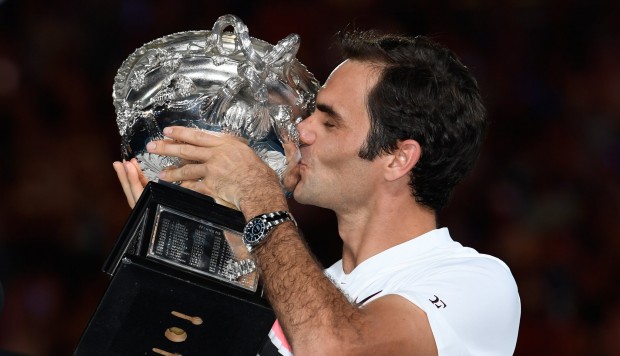
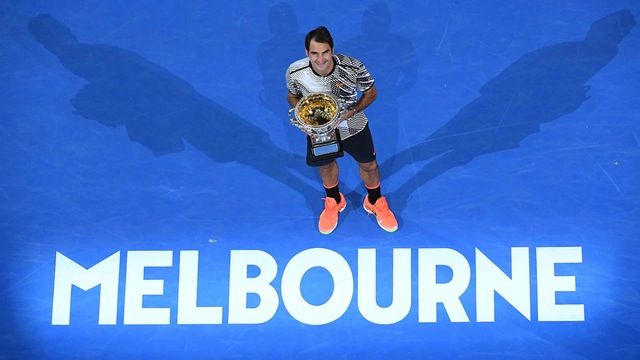
Photo courtesy of pinterest.com Trust the inimitable Ogden Nash to say it like it is,
“Athletes, I’ll drink to you,
Or eat with you
Or anything except compete with you…”Here we are then, at the start of the new year and new tennis season: sunshine and popcorn at the ready Down Under while the northern hemisphere braves winters. For it is us onlookers who have perhaps missed the action more than the gladiatorial professionals themselves who would definitely appreciate a longer off-season.
World No. 1 and top seed Novak Djokovic enters the year’s first major—the Australian Open—as an overwhelming favorite, despite his last three defeats in competitive play, most recently to the pugnacious Roberto Bautista Agut, and then two more—towards the end of 2018—to youngsters (or NextGen, as ATP Tour calls them) Sascha Zverev and Karen Khachanov.
While one may be tempted to put in an asterisk against Djokovic’s favorite status, because the losses to the young pretenders came in finals, let us not forget that a Grand Slam is a different animal altogether. And facing the Serb on hard courts over five sets is one of tennis’ ultimate tests, which is what fourth seeded Zverev could well find out should the duo face off in the semis.
Six-time champion and two-time defending champion Roger Federer, the number three seed, may only count himself among the “top 10 favorites”, but is being viewed by most experts as Djokovic’s main challenger, and if they do meet in the final, the eventual champion would have a record 7 Australian Open titles.
Poetic it was then that the Swiss landed in the opposite half of the Serbian, giving scribes even more to write home about: a potential ‘Fedal’ semi-final.
Lest we forget, 17-time major champion Rafael Nadal is on the hunt for an elusive second crown on the Plexicushion Prestige surface—one that would mean the Spaniard would have won at each of the sport’s four flagship events at least twice – but the Spaniard has had to withdraw mid match from his last two hard courts slams (AO ’18; USO ’18) so scribes may be denied their Fedal part 39.
So, how did the draw play out and what lies in store for the top four? The Tennis Review editor Christian Deverille and sports analyst Karthik Swaminathan @Lord_Kartz) present their points of view below.
First Quarter:
Headlined by the top-ranked Serbian, who begins his quest for a fifteenth grand slam against a qualifier (tbd), this section comprises shot-makers old and young.
Djokovic could face an old foe who is making a comeback, Jo-Wilfried Tsonga, in the second round, before an exciting third round against Denis Shapovalov.
Daniil Medvedev (15), the towering Russian who reached the final in Brisbane (l. Kei Nishikori), might lie in wait in the fourth. The Russian, who led the 2018 ATP tour in hard court wins (37), is one of the trickier last 16 opponents Djokovic could have drawn and an opportunity for the Serbian to reassert himself against the younger prospects in the game.
Brisbane winner Kei Nishikori, who stopped an ignominious nine-match losing streak in title bouts, is Djokovic’s scheduled last eight opponent. He will need the awesome returning he showed in that Brisbane run if he is to survive Ivo Karlovic in round 2. In round 3, he could meet veteran Philipp Kohlschreiber. Fabio Fognini is scheduled for round 4, but few will be relying on the dynamic Italian to meet his seeded position meaning Nicolas Jarry or Pablo Carreno Busta could find themselves in a position to challenge the Japanese.
David Goffin (21) is the dark horse in this section. His potential last 32 match vs Medvedev could be one of the matches of the first week.
Christian’s pick: Djokovic is less of a favorite for me this year than he was in his pomp. But, Djokovic doesn’t have to be as good as he was – he just has to be better than everyone else right now, which he will likely prove to be in best of five sets in Melbourne.
Karthik’s pick: Novak Djokovic; writing off the Serb in a major would be a costly, costly mistake. While Shapovalov and Medvedev are among the most exciting talents to rise up the ranks, the World No. 1 has one skill which is perhaps beyond their reach: his defence, which is backed by a mind that no longer doubts itself.
Second Quarter:
Having not gone past the third round in three of the four majors, Australia being one of them, Alexander Zverev (4) will be on a mission to reach the semis of a slam for the first time. Only this time, he will be venturing out into the unknown coming off his biggest title—the World Tour Finals—and with Ivan Lendl in his corner.
The German’s quarter brims with young talent such as
Hyeon Chung whom he lost to last year and could meet again in the fourth round, unseeded Nick Kyrgios (another potential fourth-rounder) and Borna Coric (11) (possibly in the quarterfinal), who has been drawn the dangerous Marton Fucsovics in round 2, a match no one will want to miss if it happens.Zverev’s drawn Alex Bedene in round 1, could face Jeremy Chardy in round 2, and will be tested in round 3 if he meets 29th seed Gilles Simon. In the fourth round, it’s Milos Raonic (16), but few will be shocked to see Stan Wawrinka, who outmuscled Khachanov and Jarry in Doha, waiting for him.
Sascha’s dear friend Dominic Thiem (7) stars in the far end of the section, but fast hard courts are not Thiem’s favorite, and Benoit Paire or Mischa Zverev have a good chance to upset the Austrian in rounds 1 or 2 respectively.
Marton Fucsovics, who ran Djokovic so close in Doha a couple of weeks back, is the dark horse who could go far in this section.
Christian’s pick: Marton Fucsovics.
Zverev is still a little unproven at slam level- his one run to a quarter-final was anything but convincing – so this quarter is wide open.
Fucsovics seems the best candidate to take advantage of that- he is supremely fit which will help him in the brutal conditions and has the powerful ball striking game to succeed on the surface.
Karthik’s pick: Sascha Zverev; if not now, when? Surely then. What is perhaps most striking is the assurance Sascha showed in London, against some of the best the sport has seen. He became just the fourth player ever to beat Federer and Djokovic in succession. Not a small feat by any means.
Third Quarter:
The tournament could see a rematch of last year’s final in the quarters as Federer and Marin Cilic (6) take their positions as the highest ranked players in an explosive third section.
The Swiss commences his campaign for a record-extending 21st grand slam against the mercurial Denis Istomin, who memorably ousted Djokovic on these very courts two years ago. Possibly lying in wait in succession are Gael Monfils (30) (third), Stefanos Tsitsipas (14) (fourth) and either Khachanov (10) or Cilic or the red hot Bautista Agut (22) (quarterfinal).
Defending finalist Marin Cilic won’t be going under the radar at the Australian Open this year after drawing home hope Bernard Tomic in round 1, Russian big hitter Andrey Rublev potentially in round 2 (or Mackenzie McDonald who ran Dimitrov so close last year), Fernando Verdasco (26) in round 3, and Karen Khachanov in round 4. It’s exhausting just thinking about it.
The returning Andy Murray finds himself in this quarter and opens against the Doha champion. Murray shocked the tennis world by announcing this Australian Open could be his last tournament. The five time AO finalist has been suffering with his hip and was tearful making his announcement. He’ll be proud if he goes down to Bautista Agut, though, who lost his mother last season and has show tremendous spirit to lift his game to its recent heights.
Christian’s pick: Bautista Agut. He’s full of confidence, very fit, and fast hard courts are where his skills really shine.
Federer did play well in the Hopman cup, but that was an exhibition event, so how his serve and forehand, which were as vulnerable as they have been in a while post Indian Wells, will hold up under the pressure of Grand Slam tennis is a big question mark.
Karthik’s pick: Roger Federer; yes, it can get tricky. Yes, he can make things hard for himself. And yes, he isn’t growing any younger. But on a medium-fast court and with a ball that pops around, high bounce or not, trust the magician to show why he is considered one of the greatest ever.
Fourth Quarter:
Nadal (2), who is returning from surgery and is testing a new serve, could well cause multiple heartbreaks to the home crowd as three of his first four potential opponents—James Duckworth, Matthew Ebden and the rapidly rising Alex de Minaur—are Australians.
Kyle Edmund or Diego Schwartzman are potential fourth round match-ups. Edmund may fall victim to the resurgent Tomas Berdych in the first round, however.
One of last season’s biggest success stories, Kevin Anderson (5) who triumphed earlier this year in Pune, could present a tall order should the pair face off in the quarterfinal. Kevin Anderson faces Adrian Mannarino in round 1, Frances Tiafoe, in round 2, Steve Johnson (31) in round 3 (or Andreas Seppi) and John Isner (9) in the last four. If that match happens, the final set tiebreak at 6-6 might be seen as a wise decision indeed.
Christian’s pick: Kevin Anderson. Anderson is the ultimate tennis professional and this is a nice draw for him to knuckle down and get on with powering through.
Karthik’s pick: Kevin Anderson; the gentle giant doesn’t just possess a killer serve. He has made his game more solid and doesn’t hesitate to unleash his forehand to create openings.
Christian’s predictions for the semis and final:
Semis:
Djokovic d. Fucsovics: Djokovic’s experience will out, though if their US Open and Doha matches are anything to go by, there’ll be some brutal and hairy moments.
Anderson d. Bautista Agut: Anderson’s serve will make the difference here, and the final set tiebreak will work in his favor.
Final
Djokovic d. Anderson: This will be a better match than the Wimbledon final, but the result will be the same.
Karthik’s predictions:
Semis:
Djokovic d. Zverev: Order will be restored.
Federer d. Anderson: Wimbledon will be avenged.
Final:
Djokovic d. Federer: Call it more mental between the two, but no one, not even Federer, will stop Djokovic from making the Australian Open his own.
Play the Fantasy Australian Open 2019. At least 1,250 euro in prizes!
https://zweeler.com/game/tennis/FantasyAustralianOpen2019/main.php?ref=628
The Fantasy Australian Open 2019 starts on Monday 14 January 2019 at 1:10 hours CET.
As a participant to the Fantasy Australian Open you need to create a team which exists out of 30 tennis players. All tennis players (men and women) are divided into 7 different groups. You can choose per group a restricted total of tennis players of which you think are going to win the most points in the Fantasy Australian Open.
The game will cost 7 euro per team and will start with a guaranteed amount of 1,250 euro in prizes. The first prize will be 250 euro (31 GC prizes). -
Australian Open 2019 Men’s Preview

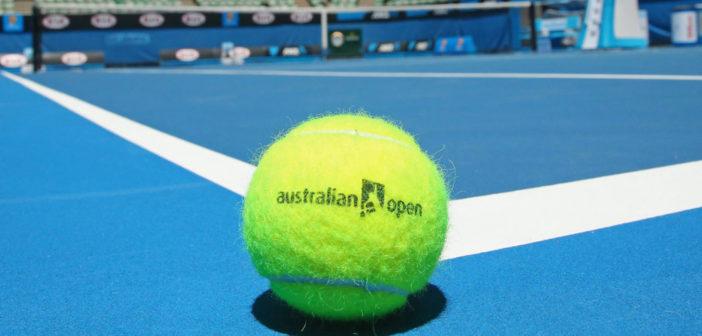
Photo courtesy of Paodom.net The Australian Open kicks off the Majors for 2019 after a short but sweet off-season. The Tennis Review previews the conditions that will play their part in producing the men’s champions as well as taking a look at the contenders to become part of tennis’ most prestigious champion’s club, the Grand Slam winner’s circle.
The conditions and variables
Surface:
The Australian Open is a little less predictable than some Majors of late. One reason for that is the modification and speeding up of the plexicusion hard court surface over the last couple of seasons (2017/18).
The majority of the tour is played on medium-slow surfaces and most players have modified their games to those higher bouncing baseline based conditions. The Australian Open’s current plexi-cushion surface, however, allows the ball to bounce both faster and lower which favors aggressive players who are comfortable at the net or favor stepping inside the court once the chance arises.
Weather:
The Australian Open is notorious for some of the most ferocious conditions on the tour with on court temperatures in the 40s and only the game’s fittest players can be expected to survive into the second week.
The tournament is two different tournaments in some respect. During the day, the courts play faster, as do the balls which bounce lower. In the evening, the cooler weather and more humid conditions mean the balls fluff up more and play heavier.
To some degrees, those conditions will favor some players more than others and there is a degree of luck, as there always is, as to when certain players are scheduled.
Attacking players will still be favored either way, enjoying, in the day, the balls flying off their racket strings a little quicker and their shots dying before their more defensive minded opponents can track them down, as well as, at night, having a little extra time to handle counter-punchers and being able to move up the court and set themselves up to hit a winner.
In extreme weather, when the roof is not closed, the players will receive ten minute breaks.
The Roof:
When conditions get too hot and humid and thermometers and officials dictate, the roof is closed, as it was so infamously in last year’s final.
Very few players have games tailor made to thrive indoors in today’s game, with so little of the tour played in those conditions, but those players with more awkward ball tosses and more weather effected and/or error prone strokes and high risk games will benefit. As will players more prone to displaying great touch and who win points by shot placement rather than power.
The off season:
Players come into the Australian Open refreshed after a 6-7 week break from the grind of the tour, relaxed after a holiday or two, and improved, having had some time to tinker with their games or work on their weaknesses, meaning the Australian Open has been known to throw up a few surprises over the years such as Safin beating Federer in the 2005 semis, Jo-Wilfried Tsonga reaching the ’08 final, and Kyle Edmund and Hyeon Chung reaching last year’s last four.
Rule changes:
Following on from Wimbledon’s introduction of a tiebreak at 12-12 in the fifth set, the Australian Open has introduced a ‘super’ tiebreak at 6-6 in the fifth with the tiebreak being the first to 10.
This rule is most likely to benefit the older players preventing them from enduring the rare but often fatal epics as well as being to the advantage of the great returners and the risk takers. It may not mean much in deciding the outcome of a Federer- Djokovic final but could be something of a factor should Federer meet Nadal or Djokovic meet Zverev.
The balls:
While the tournament has defended itself by saying the balls are good quality and made by one of the world’s four best ball manufacturers, other players, have been reported to say the ball is flat and dies quickly on making contact with the court.
Inevitably, the ball will be perceived differently by each player, but it won’t help any but the most experienced competitors to have yet another unknown added into the mix of Grand Slam play.
The Draw:
The greatest variable of them all.
No educated guesses are really possible until the draw is made. Some in form all time greats whose games suit the surfaces to a tee might fly through any draw, but there is no player pre-tournament playing such great tennis to scream champion (Djokovic played three three setters in a row and then lost to Bautista Agut; Federer has only played an exhibition event.)
All will be revealed, and the real speculation can begin, once the draw is made on Thursday January 10th.
Potential champions
Past champions
There are four past champions in the draw- Federer (6), Nadal (1), Djokovic (6), and Wawrinka (1), and their collective reign down under goes all the way back to 2006.
The big three of Federer, Nadal and Djokovic, also happen to be the top three seeds so with good draws and fine health, their chances of extending that run are high. Still, they won’t take anything for granted. The faster conditions and a few quickly improving players mean this tournament is ripe for someone new to have their name etched on the trophy.
Roger Federer
The Swiss has been the main beneficiary of the sped up conditions and is the two time defending champion in Melbourne.
This tournament is arguably the 37 year old’s best chance to win his 21st Major with the clock ticking even on his superhuman career.
Expect Federer to receive preferential treatment- he will most likely play defensive players in the day, and if he comes up against an attacker in form, he’ll play them at night. And if it there is even a sniff of the roof being used, if Federer’s playing, that court will be covered.
Federer comes in refreshed after a disappointing second half of 2018. He had a great Hopman cup, but that is an exhibition match and a world away from the intense competition offered up by a slam.
If anyone is going to benefit from the rest offered by the off-season and all the preferential treatment his resume deserves, it’s the Swiss.
Novak Djokovic
Djokovic goes into the Australian Open as the clear favorite- Sports Dime Betting have the world No.1 and six time champ at +120.
Back at No.1, and holding the last 2 slams, Djokovic is the favorite to win the title, and with organizers most probably aiming for a Federer-Djokovic final, he’ll see his matches most often scheduled at night if he comes up against an aggressive fast court player.
Djokovic will handle the day conditions well, too. The Serb is an aggressive baseliner who just also happens to be the best defender in the game and aged 31, he’ll be happy to compete in faster conditions, not have to run quite so much and have more energy for the finals where, fresh from the off season, he so often plays his best tennis.
Rafa Nadal
The fast conditions on hard courts help Nadal whose 31 year old body can only take so much pounding from best of five on hard courts- he has had to retire during matches in his last two hard court slams (AO ’18 QF; USO ’18 SF)- so, he’ll be ready to attack and flatten out his shots to give himself the chance to hold each slam at least twice.
Stan Wawrinka
Wawrinka looked good in his late 2018 outings and played well in Doha, beating Khachanov and Nicholas Jarry before falling to eventual champion Roberto Bautista Agut.
The Swiss has the game to overwhelm anyone and if he catches fire, with his experience, you would not count him out. However, he will need to reproduce that form for seven straight matches and may not have the match fitness to defeat too many of the game’s super fit counter-punchers in succession.
Grand slam pedigree
There are only six active slam champs in this year’s Australian Open draw (Juan Martin del Potro has withdrawn with injury) and four of them have won the Australian Open. Here’s a look at the two remaining ones, both former finalists.
Marin Cilic
The defending finalist seems to have put the disappointment of his Wimbledon ’18 exit to Guido Pella in the second round behind him, winning the Davis Cup.
Cilic has been making regular deep runs at slams since his 2014 US Open win and seems due another one.
Andy Murray
Tennis can at times produce a story only a Hollywood screenwriter could come up with, and Murray winning the Australian Open after being the bridesmaid five times and coming back from a hip injury that has seen him drop to 230 in the world would be up there with Roger Federer’s 2017 Australian Open win.
Veterans
If one, or more, of the aforementioned favored champs or finalist or if a player in form gets upset and/or the draw falls apart, or both, experienced vets will be around to take advantage. They might even have gotten themselves together enough to win the slam outright.
Kei Nishikori
Nishikori is one of the 2018 comeback players of the year and the Australian Open suits his baseline aggression. He just won in Brisbane, ending his run of nine losing finals, which will fill him with plenty of confidence.
Grigor Dimitrov
Dimitrov has played some of his career best tennis in Australia. Has the Bulgarian peaked or will Melbourne be the stage for his career achievement?
Jo-Wilfried Tsonga
Reached the Brisbane semis. A deep Tsonga run would have plenty of support at the scene of where he first burst onto the Grand slam tennis scene when he made the ’08 final.
Tomas Berdych
Made the Doha final. Berdych had been gone six months from the tour until Doha. The popular Czech is another vet who can be sure of getting plenty of love from the knowledgeable Melbourne crowd.
Players in form
Plenty of players come out of the block at the start of the season playing their best tennis and make a deep run through the Australian Open draw.
Roberto Bautista Agut is the Doha champ.
Bautista Agut is ‘due’ a deep slam run. He will have to earn it, of course, but he has done everything he can to put himself in a situation to take his chances. Supremely fit, a game suited to fast hard courts, and with plenty of heart, if he can get a good draw, expect a breakthrough.
Daniil Medvedev was the Brisbane finalist.
A big serving, confident shot-maker, Medvedev led the tour in hard court wins last season and just made the Brisbane final. He’s had a pretty short career- he did not play his 1st main draw ATP match until Nice ’16- to win 3 titles and have such impressive stats, but he is a born champion and if he gets an inch, he’s taking miles.
The Next in Line
2018 ended on a high note for some of the players most likely to succeed the current elite. Could any of these players take another step further by winning their maiden slam?
Sascha Zverev
Success at Majors is the big question for the 2018 WTF champ who has reached 1 Major quarter final (Roland Garros ’18) in his admittedly still young and otherwise impressive career. A let down and an early exit at the Australian Open would be no shock, but with Ivan Lendl around to keep his feet on the ground, a run to his first semi would be the most fitting step in the right direction.
Karen Khachanov
Bold and unassuming, a lethal mix, Karen Khachanov plays like he is not afraid of success and this Australian Open would be the perfect time for the Paris-Bercy ’18 champ to step up before the hype starts getting in the way.
Borna Coric
The Shanghai finalist has added a bit of zap to his shots, especially on the forehand, and proved in 2018 he had a mature and cool head on his shoulders. The conditions will suit him and he has a lot of level-headed confidence, not too surprising considering his game is so closed modeled on six time AO champion Novak Djokovic.
Next Gen
The game no longer favors 17 to 20 years olds announcing themselves with slam titles, but if it were to welcome them with open arms again, these are the players the Major winning circle would be giving hugs to.
Stefanos Tsitsipas
Aged 20 and ranked 15, Tsitsipas has only played four slams, all in 2018, but has already been to a last 16 (Wimbledon) and should reproduce that result in Melbourne.
Denis Shapovalov
Fast hard courts are the Canadian’s best surface. He’s not won much recently, winning just 1 match since reaching the Tokyo semis, and he hit a lot of errors losing in the Sydney first round, but he likes the big occasion and a Grand Slam is certainly that.
Hyeon Chung
Last year’s semi-finalist has struggled with injuries and looked rusty in Pune. But talented and touted players often play their best at the slam where they achieve their earliest success and so the Australian Open could be where Chung treats us to some of that A grade baseline hitting of his.
Frances Tiafoe
Hard courts are where the shot-making, sparky Tiafoe shines.
Dark horses
With it’s faster low-frequency conditions, the aging bodies of the established champs, the lack of slam winning experience of the vets, the unknown quantities of the next in line, the lack of young players coming through at the very top, and the stronger depth of the men’s field, the Australian Open is the slam most likely to see a dark horse cross the winner’s line.
Players ranked outside of the top 16 seeds qualify for dark horse status.
Fernando Verdasco
The upset maestro. He pleases as much as he lets down, but you know his presence in an early round match versus a seed adds a little extra to the proceedings.
David Goffin
Goffin, ranked 22, is a skilled fast hard courter and a great competitor. No one wants him in their last 32 bracket.
Martin Klizan
If Klizan faces one of the top seeds, at some point of the match, he is going to look like the winner in waiting. If he can look like that for three sets then we won’t have to wait much longer for him to finally reach the last eight of a slam.
Marton Fucsovics
Fucsovics is one of the game’s most improved players of late and has the fitness to cope with the Australian conditions. He has shown how dangerous he is on hard courts in his US Open and Doha matches versus Novak Djokovic and should come in with plenty of confidence and little pressure.
Home grown hopes
The players born in the Major hosting countries are a privileged bunch with the chance to play the show courts despite their lower rankings, to get one of the sport’s best pay days courtesy of a wild card. and the exposure that can only encourage sponsors and media opportunities. Australia’s rich tennis history also means it’s not short of talent to get the fans involved and attract some new ones.
Nick Kyrgios
Impossible to predict, you’ll just get what you’re given with Kyrgios. He’ll be under the spotlight, that’s one thing for sure.
Thanassi Kokkinakis
Kokkanakis’ Miami win over Roger Federer showed his potential last season.
Injuries have sidelined him, but if he is healthy and playing well, his youthful and charismatic presence on court will do wonders for Australian tennis. That’s if he plays of course. He’ll have to come through qualifying after being looked over for a wildcard.
John Millman
Millman has come to prominence of late after his fourth round US Open win over Roger Federer and he has the athleticism, stamina and counter punching skills to do well at home.
Bernard Tomic.
Nick Kyrgios’ antics have overshadowed the once prime bad boy of tennis, and going under the radar will help the one time great Australian Hope. Tomic seems like he has found some love for tennis again, winning the Chengdu Open with some real grit, and breaking back into the top 100. That means little in the face of the pressure and expectations he might face at his home Major, but Tomic keeps showing us new layers and there are sure more to be peeled.
Alex de Minaur
He’s got Hewitt’s legs and Hewitt’s ear, and the youngster will have plenty of support.

Tennis from a fan's point of view
[
[
[
]
]
]
 thetennisreview